
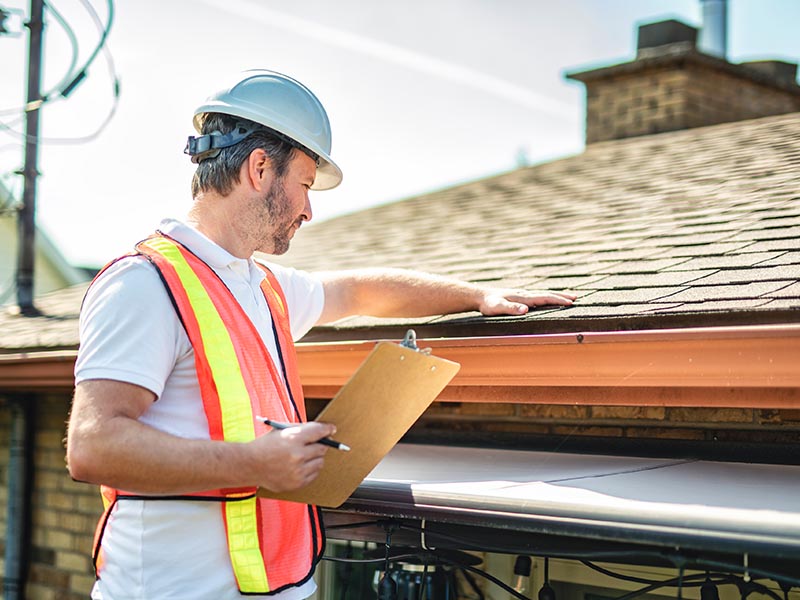
Your roof can look fine from the ground while small problems develop around shingles, vents, flashing, fasteners, and sealant. Those issues may not cause an immediate leak, but they can become more serious when they’re left unaddressed.
A roof tune-up gives you a practical way to identify and correct minor concerns before they lead to broader damage. It combines a professional roof inspection with maintenance and small repairs designed to support your roofing system.
If you’re wondering what a roof tune-up includes, when you may need one, and whether it’s worth the cost, this guide will help you make a more informed decision.
What Is a Roof Tune-Up?
A roof tune-up is a preventive maintenance service that addresses minor roofing issues and reinforces vulnerable areas. It’s more comprehensive than a visual inspection, but it isn’t the same as a major roof repair or full roof replacement.
During a tune-up, a roofing professional evaluates your roof and completes smaller maintenance tasks based on what they find. The goal is to correct manageable problems, support proper water flow, and help you understand the roof’s current condition.
You can think of a roof tune-up like routine vehicle maintenance. You wouldn’t wait for your engine to fail before checking worn components. In the same way, you don’t have to wait for water to enter your home before having your roof evaluated.
Because every roof is different, the exact scope can vary. Your roofing material, roof age, home design, accessibility, and current condition all affect what the service should include.
What Does a Roof Tune-Up Include?
A roof tune-up should focus on the parts of your roofing system that are most likely to develop leaks or premature wear. Most services begin with an inspection and then move into limited maintenance or minor repairs.
A Detailed Roof Inspection
Your roofer will typically examine the visible roofing system, including shingles, valleys, flashing, roof edges, penetrations, and drainage areas.
Common inspection points include:
- Missing, cracked, curled, or lifted shingles
- Loose or damaged flashing
- Deteriorated sealant around vents and penetrations
- Raised or exposed fasteners
- Debris buildup in valleys and drainage areas
- Wear near chimneys, skylights, gutters, and rooflines
This process can reveal issues you can’t see from your yard. A shingle may be slightly lifted, a pipe boot may be starting to crack, or sealant may be pulling away from a vent.
When attic access is available and relevant, your roofer may also check for water stains, damp insulation, darkened wood, or other signs of moisture.
Limited Shingle and Fastener Repairs
Wind, falling debris, temperature changes, and age can affect asphalt shingles. Depending on the service scope, a tune-up may include securing or replacing a small number of loose, cracked, lifted, or missing shingles.
Raised fasteners, often called nail pops, may also be corrected. A loose fastener can lift the surrounding shingle or create a small opening where water can enter.
These repairs are useful when the damage is isolated. If large sections of your roof are curling, cracking, loosening, or losing significant granules, you may need a more substantial roof repair or replacement evaluation.
Resealing Penetrations and Adjusting Flashing
Roof penetrations include plumbing vents, exhaust vents, skylights, chimneys, and other features that pass through the roofing system. These areas depend on proper flashing and sealing to help keep moisture out.
Over time, sealant can crack, shrink, separate, or wear away. A tune-up may include replacing failing sealant, securing loose flashing, or addressing small gaps where the surrounding materials remain serviceable.
However, adding sealant isn’t always the right solution. If the flashing, boot, or nearby roofing material is damaged, a more complete repair may be necessary.
Debris Removal From Key Areas
Leaves, twigs, and pine needles can collect in roof valleys, behind chimneys, near skylights, or around drainage points. This buildup can slow water flow and trap moisture against roofing materials.
A tune-up may include removing accessible debris so water can move toward the gutters more freely.
Gutter cleaning may not be included automatically, so ask about it when reviewing the service scope. Your gutters and downspouts work with your roof to move water away from the home.
How Is a Roof Tune-Up Different From a Roof Inspection?
A roof inspection focuses on evaluating and documenting the condition of your roofing system. You may receive photographs, observations, and repair recommendations, but the inspection itself usually doesn’t include corrective work.
A roof tune-up goes one step further by combining an inspection with limited maintenance or minor repairs.
The main differences are:
- A roof inspection identifies current or potential concerns.
- A roof tune-up identifies concerns and addresses eligible minor issues.
- An inspection may result in a report and repair recommendations.
- A tune-up may include limited labor and materials.
- Larger repairs usually require a separate estimate and approval.
This distinction matters when you compare roofing services. Before hiring a contractor, ask whether the quoted price covers labor, materials, photographs, documentation, and minor repairs.
When Should You Schedule a Roof Tune-Up?
You don’t need to wait for an active leak to have your roof evaluated. In many cases, a tune-up is most useful while the roof is still in generally serviceable condition.
After Severe Weather
High winds, hail, heavy rain, snow, ice, and falling branches can affect roofing materials even when the damage isn’t obvious from the ground.
After a significant storm, a professional evaluation can help identify loose shingles, damaged flashing, punctures, and other localized concerns. A tune-up may be appropriate when the damage is limited, while more extensive damage may require a separate repair plan.
For your safety, don’t climb onto the roof yourself after severe weather. Wet surfaces, loose materials, and hidden damage can create serious risks.
As Your Roof Gets Older
Roofing materials change as they age. Sealant may harden, fasteners can become exposed, flashing may loosen, and shingles can gradually lose flexibility.
A tune-up can’t reverse aging, but it may help address isolated maintenance needs before they become more disruptive.
Your roof’s condition depends on more than age alone. Installation quality, attic ventilation, weather exposure, nearby trees, previous repairs, and maintenance history all influence how well the system performs.
Before You Sell Your Home
Roof concerns can create uncertainty during a real estate transaction. Scheduling a roof inspection or tune-up before listing allows you to address minor concerns and answer buyer questions more clearly.
However, a tune-up shouldn’t be used to conceal larger defects or avoid necessary repairs. The purpose is to understand and address the roof’s actual condition.
When You Notice Warning Signs
Your home may give you early clues that the roof needs attention.
Watch for:
- Shingles or roofing debris in your yard
- Granules collecting near downspouts
- Water stains on ceilings or walls
- Damp insulation or musty attic odors
- Peeling paint near the roofline
- Debris collecting in roof valleys
- Loose or bent flashing
- Water overflowing from gutters
These signs don’t automatically mean you need a roof replacement. However, they do justify a professional evaluation.
Our team at Platinum Exteriors can help you determine whether the issue calls for a tune-up, a targeted repair, or a more extensive roofing solution.
Is a Roof Tune-Up Worth It?
A roof tune-up can be worth the investment when your roofing system is still serviceable and the issues are minor and localized.
Small openings, loose materials, or deteriorated sealant may seem insignificant, but they can allow moisture to reach the underlayment, roof deck, insulation, drywall, or interior finishes.
A tune-up may help you:
- Identify minor concerns early
- Address isolated wear before it spreads
- Help reduce the likelihood of preventable leaks
- Better understand your roof’s condition
- Plan for future repairs
- Maintain records of roofing service
The value also comes from having clearer information. Instead of guessing about your roof, you’ll have a professional assessment and a better understanding of what needs attention.
However, a tune-up isn’t the right solution for every roof. If materials are severely deteriorated, leaks are widespread, decking is damaged, or the roof is nearing the end of its service life, minor maintenance may offer limited benefit.
What Can’t a Roof Tune-Up Fix?
A roof tune-up is intended for small, manageable issues. It won’t correct major structural concerns, widespread material failure, severe storm damage, or extensive water intrusion.
Problems that often fall outside the scope include:
- Large areas of missing or damaged shingles
- Widespread curling, cracking, or granule loss
- Multiple active leaks
- Soft, rotted, or damaged roof decking
- Sagging roof sections
- Extensive flashing failure
- Major hail or wind damage
- Chronic leaks caused by installation problems
For example, replacing one or two damaged shingles may be appropriate when the surrounding roof remains secure. It won’t solve the problem if large areas are brittle, curled, or failing.
This is why an accurate inspection matters. You need a recommendation based on the actual condition of your roof, not a temporary patch that only addresses a visible symptom.
How Often Should You Schedule Roof Maintenance?
There isn’t one schedule that applies to every home. The right maintenance interval depends on your roof’s age, material, condition, exposure, and repair history.
You may want to schedule an evaluation when:
- Your roof is older
- Your home has several skylights, vents, or chimneys
- Nearby trees drop frequent debris
- Your area has experienced severe weather
- You’ve noticed moisture or staining
- You don’t know the roof’s maintenance history
A professional inspection doesn’t always lead to a tune-up. If your roof is in good condition, you may only need documentation and future monitoring.
Keep records of inspections, repairs, and maintenance. These records can help you track recurring issues and make more informed decisions over time.
Once you know when your roof should be evaluated, the next practical consideration is what the service may cost.
How Much Does a Roof Tune-Up Cost?
The cost of a roof tune-up varies based on the roof and the amount of work involved. Roof size, pitch, height, material, complexity, accessibility, and the number of repairs can all affect pricing.
A smaller, walkable asphalt shingle roof with limited wear may require less time and material than a steep or complex roof with multiple penetrations.
When you compare prices, focus on the service scope as well as the total. Ask for a written estimate that explains what’s included, what isn’t included, and how additional repairs will be handled.
Clear pricing helps you compare contractors more accurately and avoid paying for a vague service package that doesn’t meet your needs.
How Do You Choose a Contractor for a Roof Tune-Up?
The quality of a roof tune-up depends on the contractor performing the work. Roofing systems rely on correctly layered materials, proper drainage, flashing, ventilation, and careful installation.
Before hiring a roofer, look for:
- Relevant roofing experience
- Proper insurance
- Clear written estimates
- Detailed service scopes
- Straightforward communication
- Photos or documentation of findings
- Local references or reviews
- Written information about completed work
The contractor should explain what they found, why it matters, and what the next step should be. They should also request your approval before completing work outside the tune-up scope.
When you work with Platinum Exteriors, we aim to make the process clear and practical. We’ll review the visible concerns, explain the available options, and help you determine the next step based on your roof’s condition.
Preventive Roof Maintenance Tips for Homeowners
Professional service is important, but you can also monitor your home between inspections.
You can help protect your roofing system by:
- Checking ceilings and walls for stains
- Looking for damp insulation or attic odors
- Watching for shingles or debris in your yard
- Keeping gutters and downspouts clear
- Having overhanging branches trimmed
- Monitoring roof valleys for debris
- Scheduling an evaluation after severe weather
- Keeping records of completed roofing work
Pay close attention after strong winds, heavy rain, hail, snow, or ice. Changes around chimneys, vents, skylights, and exterior walls may provide early warning of a problem.
Most importantly, don’t attempt unsafe roof repairs on your own. Instead, contact a qualified roofing professional who can evaluate the area safely and recommend the appropriate repair.
Protect Your Home With a Professional Roof Tune-Up
A roof tune-up can be a practical investment when you want to address minor wear, reduce the risk of preventable leaks, and better understand the condition of your roofing system.
The most important step is choosing a roofing contractor who can distinguish between routine maintenance and damage that requires a more complete solution.
Platinum Exteriors provides roofing and exterior services for homeowners who want clear answers and practical recommendations. Our team will evaluate your roof, explain what we find, and help you understand the available next steps.
Don’t let a small roofing concern become a larger problem. Contact Platinum Exteriors today to schedule a roof inspection or roof tune-up.