
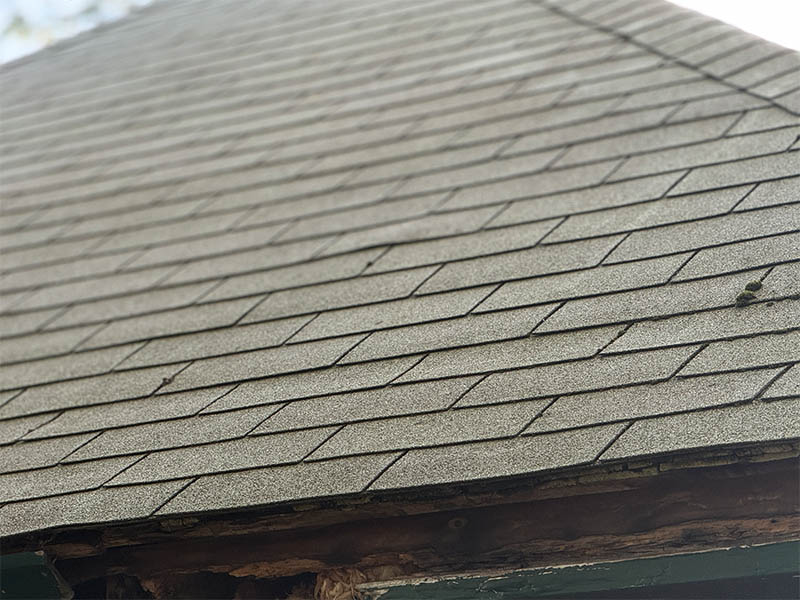
Timing your roof replacement can make the process smoother, but there isn’t one perfect month that works for every Maryland home. Weather conditions, your roof’s condition, material requirements, and scheduling all influence when it makes sense to move forward.
For a planned roof replacement in Maryland, fall is often one of the most practical times of year, with spring offering another strong window. However, if your roof is leaking or showing significant damage, waiting for an ideal season can allow problems to get worse. The best time to replace your roof depends on what your home needs and whether conditions allow the work to be completed properly.
When Is the Best Time to Replace a Roof in Maryland?
If you’re planning ahead, early to mid-fall is often an excellent time to replace your roof. Temperatures are generally more moderate than they are during peak summer, and completing the work before winter gives you an opportunity to address aging or damaged roofing before colder weather arrives.
Spring is another practical choice, particularly if winter exposed leaks, loose shingles, flashing problems, or other concerns. Replacing your roof in spring can also prepare your home for summer storms and heavier rainfall.
Summer and winter aren’t automatically off-limits. Roofing projects can be completed during much of the year when weather conditions are suitable and materials are handled correctly. What matters most is whether your contractor can complete the installation safely and according to the requirements of the roofing system.
How Each Season Affects Roof Replacement in Maryland
Maryland’s changing seasons create different conditions for roofing work throughout the year. Understanding what each season brings can help you choose a practical replacement window when you have flexibility.
The actual forecast still matters. Even during a favorable season, rain, wind, temperature, or unsafe roof-surface conditions can affect installation.
Spring Roof Replacement
Spring can be a strong time to schedule a roof replacement, especially if winter revealed damage. As temperatures become milder, there are often more opportunities to complete roofing work without the temperature extremes associated with winter or the hottest part of summer.
Spring is also a natural time to evaluate how your roof handled colder weather. Missing shingles, damaged flashing, leaks, and other problems may become easier to spot once winter has passed.
Rain can make scheduling less predictable, so starting the process early can give you more flexibility when choosing an installation date.
Summer Roof Replacement
Summer offers longer daylight hours and many opportunities for roofing work. Early summer can be especially convenient because you may get warm, workable conditions before the most intense heat arrives.
Hot weather does require additional care. Roof surfaces can become much hotter than the surrounding air, and some roofing materials may need to be handled differently when temperatures climb.
If you’re considering a summer roof replacement, ask your contractor how high temperatures and sudden storms could affect the project. Summer can still be a practical option when crews adjust their work practices to match the conditions.
Fall Roof Replacement
Fall is often a particularly practical time to replace a roof in Maryland because it can offer moderate temperatures before colder weather arrives.
If you’ve been monitoring an aging roof throughout the year, fall gives you a chance to address known issues before winter. It can also be a convenient time to schedule a planned project if your roof is still stable and you aren’t dealing with an urgent problem.
Because fall is a popular season for roofing work, starting the inspection and estimate process before your preferred installation window can make scheduling easier.
Winter Roof Replacement
Winter usually isn’t the first choice for a planned roof replacement, but roofing work doesn’t necessarily stop when temperatures drop.
Cold weather creates additional considerations. Roofing materials can become less flexible, while snow, frost, ice, and wet surfaces may affect whether work can proceed safely.
If your roof develops a serious leak or significant damage during winter, having it evaluated promptly can help you understand whether you need an immediate repair or a larger replacement project.
Your Roof’s Condition Matters More Than the Calendar
Seasonal planning makes sense when your roof is still protecting your home and you’re replacing it proactively. Once the roof begins failing, however, waiting several months for a more convenient season can expose your home to additional damage.
Water intrusion is especially important to address. Moisture can move beneath roofing materials and through parts of the roof system before you notice obvious signs inside your home.
You should consider scheduling a professional roof evaluation if you notice:
- Recurring roof leaks
- Missing or damaged shingles
- Widespread visible wear
- Sagging or soft areas
- Recent storm damage
These symptoms don’t automatically mean you need a complete roof replacement. A professional evaluation can help determine the extent of the problem and whether repair or replacement is the more appropriate next step.
At Platinum Exteriors, we specialize in roofing and exterior services, and our team can help you assess the condition of your roof before you make a larger decision about your home.
How Far Ahead Should You Plan a Roof Replacement?
If you aren’t dealing with an urgent roofing problem, starting the process before your preferred installation season gives you more time to make informed decisions. You’ll need time to evaluate the roof, review the proposed work, discuss materials, and choose an installation date.
Planning ahead is especially useful if you prefer spring or fall. Instead of making decisions under pressure, you can focus on understanding what your home needs and what the project will involve.
Before scheduling your roof replacement, ask your contractor:
- What condition is my roof in?
- Is repair still a reasonable option?
- What does the estimate include?
- How could weather affect scheduling?
- What warranties are included?
The answers should give you a clear understanding of the recommended work and why it’s being suggested. If you’re comparing contractors, make sure you’re comparing the scope of each proposal rather than looking only at the final price.
What Should You Expect on Roof Replacement Day?
Roof replacement typically involves significant activity around your home. Existing roofing materials may need to be removed, new materials need to be delivered and installed, and debris must be managed throughout the project.
Preparing in advance can help keep your property accessible and reduce disruption while the work is underway.
Before installation begins:
- Move vehicles away from work areas.
- Clear items from around the house.
- Keep children and pets away from the work zone.
- Secure fragile items inside.
- Confirm where materials and debris will go.
You should also expect noise during the project. If you work from home, have young children, or have pets that are sensitive to construction sounds, planning ahead can make installation day more manageable.
Ask your contractor how your landscaping and exterior surfaces will be protected and what you should expect from the cleanup process. Knowing these details beforehand can prevent confusion once the work begins.
How Weather Can Affect Your Scheduled Installation Date
Even when you choose a favorable season, roofing schedules can change if conditions aren’t suitable for installation.
Rain is one of the biggest concerns because portions of your roof may be exposed during the replacement process. High winds, snow, ice, and unsafe surface conditions can also affect whether work should proceed.
Temperature may also influence how roofing materials are handled and installed. Your contractor should take the forecast and product requirements into account before work begins.
If weather forces a schedule change, staying in communication with your roofing company can help you understand what happens next and when the project can safely move forward.
Why Work With a Maryland Roofing Contractor?
Your roof has to handle changing conditions throughout the year, so working with a company that understands roofing and exterior systems can help you make informed decisions about your home.
At Platinum Exteriors, we specialize in roofing and exterior services. When you come to us with concerns about your roof, our goal is to help you understand what you’re dealing with and what your next steps may look like.
If your roof is stable and you’re planning proactively, we can help you think through timing based on your project needs. If you’re dealing with active leaks or significant deterioration, we can help you understand why sooner action may be appropriate.
Your roof also works as part of the broader exterior of your home. Looking at the condition of your exterior as a whole can help identify areas where water, weather, and aging may be creating vulnerabilities.
Schedule Your Maryland Roof Replacement at the Right Time
Fall and spring are often strong choices for a planned roof replacement in Maryland, while summer and winter can also provide workable installation opportunities when conditions allow. The bigger priority is addressing your roof before known damage has a chance to become a larger problem.
At Platinum Exteriors, we’re here to help you understand your roofing needs and make a well-informed decision about your home. If you’re concerned about the condition of your roof or considering replacement, contact our team to discuss your project and determine the right next step.