
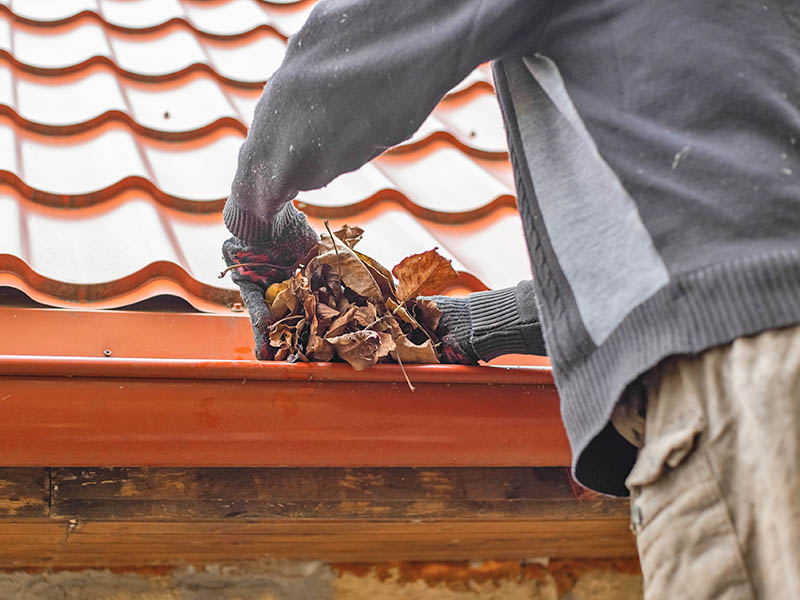
Fall in Maryland brings cooler temperatures, falling leaves, and an opportunity to prepare your roof for winter. While seasonal changes make your property look beautiful, they can also create roofing problems, from clogged gutters to moisture trapped beneath debris.
Following a fall roof maintenance checklist helps you identify potential damage before freezing temperatures and winter storms arrive. Whether you live in Westminster, Frederick, or another Maryland community, preventive maintenance can help protect your home and reduce the risk of costly repairs.
Knowing what to look for, what you can safely check yourself, and when to call a roofing professional makes winter preparation easier.
Why Fall Roof Maintenance Matters in Maryland
Maryland’s changing seasons put considerable stress on residential roofing systems. Summer thunderstorms, heavy rainfall, and humidity can gradually wear down shingles, flashing, and other roofing components.
When winter arrives, freezing temperatures and repeated freeze-thaw cycles can worsen existing damage. Water entering small openings may freeze and expand, potentially allowing more moisture inside.
Fall roof maintenance gives you an opportunity to address these vulnerabilities before harsh weather arrives. You can safely watch for visible warning signs from the ground, while a roofing professional can inspect hard-to-reach areas and address damage before it becomes more extensive.
Regular maintenance can help extend your roof’s lifespan and reduce the likelihood of unexpected problems during winter storms.
1. Check for Damaged or Missing Shingles
Your shingles form the primary barrier between your home and the elements. Over time, exposure to sunlight, wind, and precipitation can cause them to deteriorate.
You can check for obvious damage from the ground without climbing onto your roof. Binoculars may help you identify changes, although some roofing problems won’t be visible from below.
Common Signs of Shingle Damage
Shingle damage isn’t always easy to recognize, especially if your roof has multiple slopes or steep sections. However, certain changes can indicate that your roofing system needs professional attention.
Look for these warning signs:
- Missing shingles: Exposed areas vulnerable to water intrusion.
- Cracked or curling shingles: Visible deterioration along shingle edges.
- Loose shingles: Sections that appear lifted or displaced.
- Granule loss: Excessive roofing granules near downspout outlets.
- Uneven surfaces: Sagging or irregular areas that may indicate underlying damage.
If you notice these issues, contact a roofing professional for a closer inspection. Damaged shingles need to be repaired or replaced using appropriate roofing materials and installation techniques.
Addressing these problems in the fall can help preserve your roof’s ability to protect your home through winter.
2. Have Leaves and Debris Removed From Your Roof and Gutters
Falling leaves, twigs, and other debris can accumulate on your roof and inside your gutters throughout autumn. Homes surrounded by mature trees are particularly vulnerable to buildup, especially in roof valleys where two sloping sections meet.
When debris collects in these areas, it can restrict water flow and trap moisture against roofing materials. Clogged gutters can also cause rainwater to overflow, potentially damaging your fascia, siding, and areas around your foundation.
Removing accumulated debris before winter helps maintain proper drainage, but accessing your roof or working from a ladder involves significant safety risks.
A roofing professional can safely handle several maintenance tasks:
- Remove leaves and debris from roof surfaces and valleys.
- Clear gutters and downspouts.
- Check for drainage problems.
- Identify visible roofing or gutter damage.
If your property has mature trees, you may benefit from more than one professional cleaning during fall. Scheduling a final cleaning after most leaves have fallen can help prepare your roof and gutters for winter precipitation.
Platinum Exteriors provides roofing and gutter services to help homeowners address drainage and maintenance concerns before colder weather arrives.
3. Have Roof Flashing Inspected Around Chimneys and Vents
Roof flashing protects vulnerable areas where roofing materials meet chimneys, skylights, vents, and other structures.
These transitions are particularly susceptible to leaks because water naturally flows toward seams and joints. When flashing loosens, deteriorates, or separates, moisture can enter your roofing system.
From the ground, you may notice displaced metal sections or visible gaps around roof penetrations. Water stains on interior ceilings or walls near chimneys can also indicate a possible flashing problem.
However, damage isn’t always obvious without a closer inspection. A roofing professional can evaluate these areas and identify deteriorated sealant, loose connections, or flashing that needs replacement.
Because proper flashing installation is essential for preventing leaks, repairs should be handled by an experienced roofing contractor.
4. Watch for Indoor Signs of Roof Leaks
Not every roofing problem is visible from outside your home. Sometimes, the first warning signs appear on your ceilings, walls, or inside your attic.
Monitoring accessible interior areas can help you recognize moisture intrusion before it causes more extensive damage. You don’t need to access your roof or disturb insulation to notice changes in your home’s interior.
Common Warning Signs of Moisture Intrusion
Water damage can develop gradually, making early symptoms easy to overlook. Pay particular attention to upper-level rooms, ceilings, and safely accessible attic spaces after prolonged rainfall.
Watch for:
- Brown or yellow ceiling stains.
- Peeling or bubbling paint.
- Damp or discolored insulation.
- Musty odors in upper-level rooms.
- Visible moisture around attic framing.
If your attic has secure flooring and is safely accessible, you can look for visible staining or condensation using a flashlight. Avoid entering unfinished areas without proper flooring.
Moisture problems don’t always originate from damaged shingles. They may also involve attic condensation, ventilation deficiencies, or air leakage.
A professional evaluation can identify the source and help determine whether roofing repairs or other improvements are necessary.
5. Have Overhanging Branches Trimmed
Trees enhance your property’s appearance, but branches growing too close to your roof can create problems during severe weather.
Strong winds may cause overhanging limbs to scrape shingles or damage flashing. Heavy snow and ice can also cause weakened branches to break, potentially damaging your roof and gutters.
From your yard, look for branches that touch your roof, hang directly overhead, or appear dead or weakened. Limbs extending near chimneys or roof vents may also need attention.
If trimming is necessary, hire a qualified tree care professional, particularly for large branches or those near power lines. Removing overhead limbs requires appropriate equipment and experience.
Maintaining reasonable clearance around your roof can reduce falling debris and allow shaded roofing surfaces to dry more readily after rainfall.
6. Have Moss and Algae Growth Evaluated
Maryland’s humid climate can encourage moss and algae growth, especially on shaded roof sections.
While dark algae streaks are often primarily cosmetic, thick moss growth can trap moisture against roofing materials. Over time, persistent dampness may contribute to deterioration.
You may notice green patches or dark streaks from the ground, particularly on north-facing roof slopes or areas beneath mature trees.
Avoid using pressure washers, stiff brushes, or harsh cleaning products to remove growth. Improper cleaning can dislodge protective granules and damage asphalt shingles.
Instead, have a roofing professional determine whether treatment is necessary and recommend cleaning methods appropriate for your roof type.
7. Prepare Your Roof for Snow and Ice
Winter roof preparation is especially important in Maryland, where freezing rain and fluctuating temperatures can create challenging conditions even during winters with limited snowfall.
One concern is ice dam formation. Ice dams develop when snow melts on warmer roof sections and refreezes near colder roof edges, preventing water from draining properly.
As ice accumulates, melting water may back up beneath shingles and reach vulnerable areas of your roofing system.
Attic heat loss, insufficient insulation, and ventilation problems can contribute to uneven roof temperatures. A qualified professional can evaluate these conditions and recommend appropriate improvements, including air sealing, insulation adjustments, or ventilation corrections when necessary.
If your home has experienced recurring ice dams, arrange an evaluation before winter. Addressing contributing conditions is safer and more effective than attempting to remove accumulated ice from your roof.
8. Schedule a Professional Roof Inspection
Fall is an ideal time to schedule a professional roof inspection, especially if your roof is aging or has experienced severe weather. A roofing contractor can identify damaged shingles, deteriorating flashing, drainage issues, and other concerns that may worsen during winter.
Platinum Exteriors offers a roof tune-up service that includes a professional inspection, debris removal from roof valleys, and selected minor repairs within the service’s scope. If we identify issues requiring additional work, we’ll explain our findings and recommend appropriate solutions.
Scheduling your inspection before freezing temperatures arrive gives you time to address potential problems and prepare your roof for winter.
Protect Your Maryland Home With Professional Fall Roof Maintenance
Preparing your roof for winter starts with recognizing potential problems and knowing when to seek professional help. Simple observations from safe locations can alert you to damage, while professional inspections, cleaning, and repairs help keep your roofing system in good condition.
Platinum Exteriors helps Maryland homeowners protect their properties through professional roofing inspections, maintenance, and repairs. Whether you’ve noticed signs of damage or want to prepare your roof for colder weather, we’ll help you understand your options and determine the appropriate next steps.
Don’t let minor roofing problems turn into expensive winter repairs. Contact Platinum Exteriors today to discuss your fall roof maintenance needs and request an estimate.