If you’re a homeowner in Westminster, Maryland, wondering whether it’s time for siding replacement, you’re asking the right question. Your home’s siding does more than make a good first impression. It’s your primary defense against the elements. And in Carroll County, that means holding up against humid summers, cold winters, and everything in between.
When siding starts to break down, it can lead to serious structural damage and rising energy bills. There are several clear warning signs that your siding has run its course, and knowing what to look for can save you from a much bigger headache down the road.
Your Siding Looks Different Than It Used To
One of the first things homeowners notice is a change in appearance. If any of the following sound familiar, it may be time to consider an upgrade:
- Fading or discoloration across large sections that goes beyond normal weathering
- Bubbling or blistering on the surface, which often signals trapped moisture
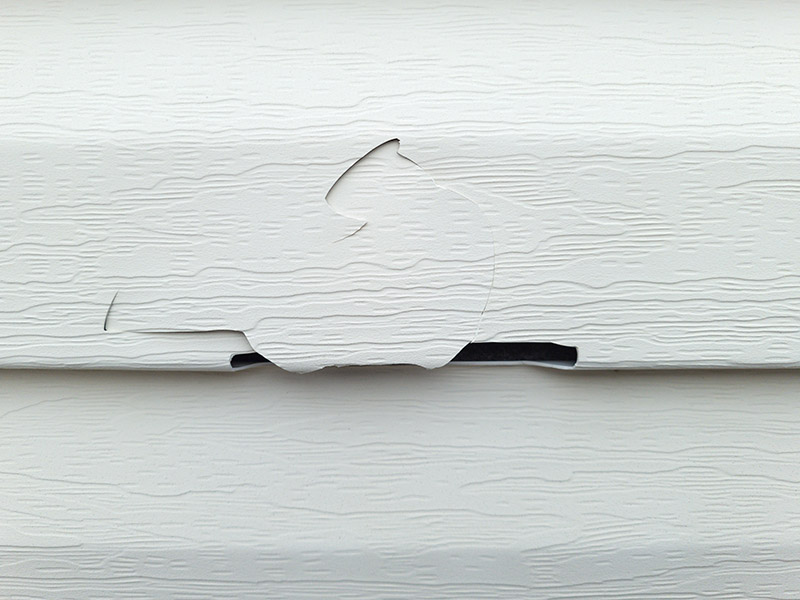
- Warping or buckling panels that no longer lie flat against your home
- Curling edges where panels have started to pull away from the wall
Warping and buckling are especially worth paying attention to. Siding is designed to create a tight seal around your home. When panels start to bow outward, it often means that moisture has gotten underneath. Once water damage is present, you’re dealing with more than a cosmetic issue.
Your Energy Bills Have Been Climbing
If your heating or cooling costs have been creeping up without a clear reason, your siding could be a contributing factor. Older or damaged siding loses its insulating properties over time, making it harder to keep your home at a comfortable temperature. Air leaks in through gaps, cracks, or deteriorating seams, and your HVAC system has to work harder to compensate.
What to Check Around Windows and Doors
One of the most common spots for siding failure is right around windows and door frames. If you notice drafts near these areas despite quality windows and doors, or if the caulking has cracked and pulled away, that’s a sign your siding’s weatherproofing has broken down. Addressing this early can prevent moisture intrusion and keep your energy costs from climbing further.
You’re Constantly Scheduling Repairs
Patching a small section of siding every few years is normal maintenance. But if you’re calling for repairs season after season, or fixing the same spots repeatedly, that’s a sign the siding itself is past its useful life. At some point, the cost of ongoing repairs adds up to more than a full replacement would have, without the same long-term results.
It’s also worth thinking about the age of your siding. Most materials have a general lifespan. Vinyl siding can last 20 to 40 years depending on installation quality and maintenance history. If your siding is approaching or past that range, even minor issues are worth taking seriously.
Rot, Mold, or Moisture Damage Is Present
This is one of the most urgent signs to watch for. Rot and mold don’t stay isolated to one place. They spread to new areas, and once they get underneath your siding and into the sheathing or framing, repair costs can grow dramatically. Walk the perimeter of your home and keep an eye out for:
- Soft or spongy spots where the surface material has started to break down
- Dark staining or discoloration that doesn’t wipe away
- Sections that have visibly separated or pulled away from the wall
Wood siding is particularly vulnerable to rot, but even fiber cement and older vinyl siding can trap moisture if they’re cracked or improperly installed. If you’re finding any of the above, a siding inspection should be your next step.
Mold on Interior Walls Is Also a Red Flag
Don’t overlook what’s happening inside your home either. If you’re noticing mold or moisture on interior walls near exterior-facing surfaces, that moisture may be coming in through compromised siding. This kind of damage can affect your home’s air quality and structural integrity.
You’re Seeing Cracks, Holes, or Gaps
Minor surface cracks happen, but larger cracks, holes, or noticeable gaps between siding panels are a different story. These openings create a direct path for water, insects, and outside air to enter your home. Even small gaps allow moisture to seep in over time, especially during Maryland’s wet spring and fall seasons.
If you’re finding damage across multiple areas, a full replacement is usually more cost-effective than piecemeal repairs. A patchwork approach rarely holds up over the long term and can leave your home looking worse in the process.
Your Home’s Curb Appeal Has Suffered
Your home’s exterior is the first thing visitors, neighbors, and potential buyers see. Siding that’s faded, stained, cracked, or uneven signals that the home hasn’t been well maintained, even if the inside is in great shape.
If you’re thinking about selling in the next few years, updated siding is one of the exterior improvements with the strongest return on investment. And even if you’re staying put, there’s real value in living in a home you’re proud of from the outside in.
Choosing the Right Siding Replacement for Your Home
Noticing one of these signs doesn’t always mean a full replacement is necessary. But noticing two or three together is a strong indicator that your siding has run its course. The longer damaged siding goes unaddressed, the more it costs in repairs, energy loss, and potential structural damage.
The good news is that new siding can completely transform a home’s appearance while giving it a fresh layer of protection built to last for decades. Today’s top options each bring their own strengths:
- Vinyl siding: low maintenance, wide color selection, and strong durability for the price
- Fiber cement: exceptional resistance to moisture, rot, and impact with a high-end look
- Engineered wood: the warmth and texture of natural wood with better long-term performance
The best choice depends on your home’s style, your budget, and how much maintenance you want to take on in the long term. A professional assessment can help you weigh the options and find the right fit.
Don’t Let Damaged Siding Put Your Home at Risk
Most homeowners put off siding replacement longer than they should, not because they don’t see the signs, but because it feels like a big decision. If the signs in this blog sound familiar, that hesitation is costing you more than you think.
The longer damaged siding goes unaddressed, the more it invites moisture, energy loss, and repair bills that add up fast. That’s where Platinum Exteriors comes in. As a siding replacement contractor serving Westminster and Carroll County, our team brings deep product knowledge, precise installation, and a commitment to getting the details right.Every home is different, and so is every siding project. We take the time to understand your home’s specific needs and help you choose a solution that fits your style and your budget. Reach out today to request your free estimate.